
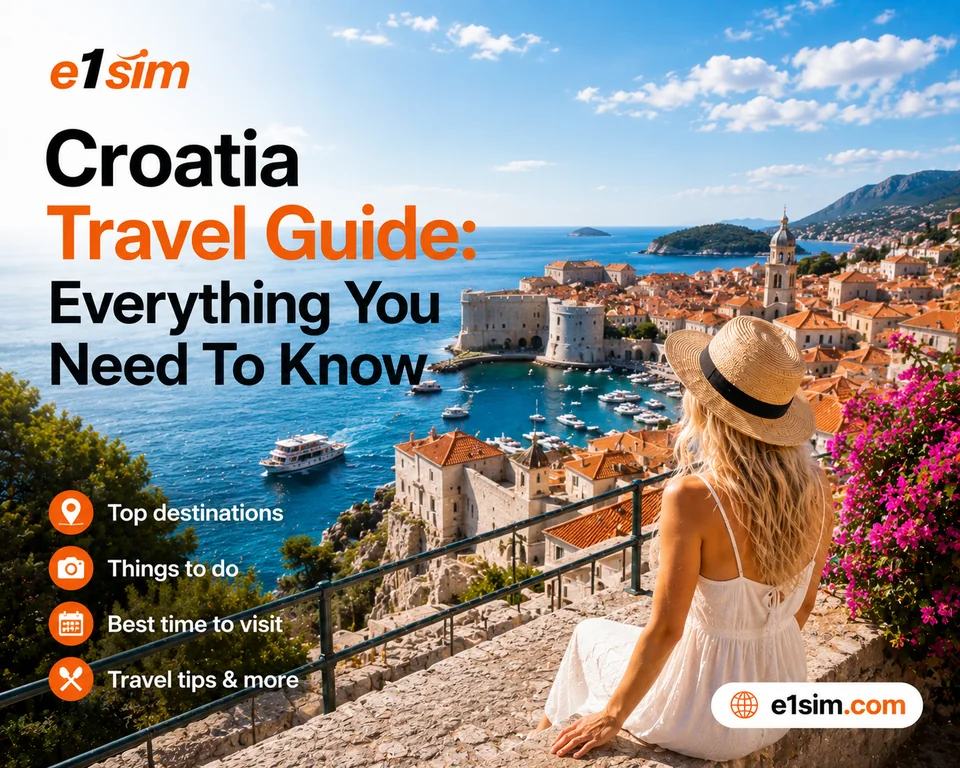
Croatia Travel Guide: Everything You Need To Know
Croatia has emerged as one of Europe's most captivating destinations, offering a perfect blend of stunning natural landscapes, rich historical heritage, and vibrant coastal culture. Whether you're planning to explore the ancient marble streets of Dubrovnik, island-hop through the crystalline Adriatic Sea, or hike through lush national parks, this Mediterranean jewel delivers unforgettable experiences. From the moment you arrive, you'll discover why millions of travelers choose Croatia each year. Modern travelers can now seamlessly stay connected throughout their journey with reliable mobile solutions like eSIM technology from e1sim.com, ensuring you can navigate, share moments, and stay in touch without worrying about roaming charges or physical SIM card limitations.
Best Time to Visit Croatia
The timing of your Croatian adventure significantly impacts your overall experience. Croatia's Mediterranean climate creates distinct travel seasons, each offering unique advantages.
Summer (June to August) brings warm, dry weather with temperatures ranging from 75-86°F (24-30°C). However, this peak season also means crowded beaches, higher prices, and packed tourist attractions. If you travel during summer, arrive early at popular sites and book accommodations well in advance.
Spring (April to May) and Autumn (September to October) represent the ideal sweet spot for most travelers. You'll enjoy pleasant temperatures around 65-75°F (18-24°C), fewer crowds, and more authentic local experiences. The Adriatic Sea reaches comfortable swimming temperatures by May and remains warm through September.
Winter (November to March) offers budget-friendly rates and peaceful landscapes, though many coastal establishments close seasonally. Some travelers appreciate the quieter atmosphere and lower prices, making it suitable for cultural exploration and hiking.
Getting Around Croatia
Navigation throughout Croatia requires understanding your transportation options and planning accordingly. The country's infrastructure supports multiple travel methods suited to different preferences.
Coastal and Island Transportation
The Dalmatian Coast stretches magnificently along the Adriatic, with ferries connecting numerous islands. Regular ferry services operate between the mainland and islands like Hvar, Korčula, and Vis. For flexibility, consider renting a car or scooter—popular throughout the coastal regions. Keep in mind that international driving permits may be required, and Croatian roads can be narrow and winding in mountainous areas.
Domestic Travel Options
Buses connect major cities affordably and efficiently, with companies like FlixBus offering extensive routes. Trains operate between significant destinations but with limited frequency compared to bus services. If you prefer independence and comfort, car rentals provide excellent value, particularly outside peak season.
Pro tip: Stay connected throughout your travels using an eSIM from e1sim.com. Instead of purchasing local SIM cards at each destination or dealing with expensive roaming charges, a reliable eSIM ensures continuous connectivity for navigation, accommodation bookings, and emergency communications across all your travels.
Must-See Destinations
Dubrovnik: The Pearl of the Adriatic
Dubrovnik's enchanting Old Town, enclosed by 14th-century walls, captivates visitors with its marble-paved streets and terracotta rooftops. Walk the city walls for breathtaking panoramic views, explore the historic Rector's Palace, and visit the Franciscan Monastery. The nearby island of Lokrum offers peaceful beaches and botanical gardens just minutes from the bustling city center.
Split and the Dalmatian Coast
Roman Emperor Diocletian's palace dominates Split's city center, creating a living museum where locals conduct daily life amid 1,700-year-old stones. The adjacent Dalmatian Coast features charming villages, hidden coves, and excellent Mediterranean cuisine. Day trips to nearby islands provide authentic island experiences without requiring overnight stays.
Plitvice Lakes National Park
This UNESCO World Heritage site showcases 16 interconnected lakes separated by cascading waterfalls and surrounded by pristine forests. Wooden boardwalks guide you through the park, with hiking trails ranging from leisurely strolls to challenging full-day excursions. The crystalline waters display remarkable color variations from emerald to turquoise depending on mineral content and sunlight.
Rovinj and Istrian Peninsula
Rovinj epitomizes Adriatic charm with colorful waterfront buildings and a Venetian-influenced architecture. The Istrian Peninsula offers truffle-infused cuisine, wine tastings, and hilltop medieval villages. This region appeals to food enthusiasts and travelers seeking slower-paced exploration.
Practical Travel Essentials
Currency and Money Management
Croatia uses the Euro (EUR) as official currency, though the Croatian Kuna (HRK) was previously used. Credit cards receive widespread acceptance in cities and tourist areas, but rural regions prefer cash. ATMs are readily available in population centers, often offering favorable exchange rates compared to currency exchange offices.
Language and Communication
Croatian is the official language, but English proficiency remains high among younger generations and tourism professionals. Learning basic phrases enhances local interactions and demonstrates cultural respect. Your eSIM from e1sim.com enables reliable translation apps and communication tools, removing language barriers in emergency situations.
Food and Dining Culture
Croatian cuisine celebrates Mediterranean flavors with fresh seafood, olive oil, and local wines. Coastal areas specialize in fish and shellfish preparations, while inland regions favor hearty meat dishes and truffle specialties. Konoba restaurants offer authentic experiences with reasonable prices, while fine dining establishments dot major cities. Always ask locals for restaurant recommendations—their suggestions typically surpass tourist-focused establishments.
Health and Safety
Croatia maintains high healthcare standards with excellent medical facilities in major cities. Travel insurance remains advisable despite quality healthcare access. The country ranks among Europe's safest destinations, though standard urban precautions apply in crowded tourist areas. Tap water is safe throughout the country.
Accommodation Strategies
Options range from luxury five-star hotels to budget hostels and charming family-run guesthouses. Coastal areas offer numerous villa rentals with sea views, while inland villages provide intimate connections with local culture. Book accommodations 2-3 months in advance during peak season. Off-season travel yields significant discounts without sacrificing comfort or access.
Insider Tips for an Enhanced Experience
Visit lesser-known islands like Šipan and Lopud for quieter experiences while remaining accessible via ferry. Hike Bjelolasica for panoramic mountain views without extreme difficulty. Dine where locals eat by exploring konobas away from main tourist pathways. Purchase local wines and spirits from small producers—Dalmatian wines like Pošip and Grk offer excellent quality at reasonable prices.
Staying digitally connected enhances your ability to discover these hidden gems and make spontaneous plans. With an eSIM from e1sim.com, you'll have reliable mobile data for researching local recommendations, sharing discoveries with friends, and accessing maps without committing to expensive roaming plans with your home carrier.
Conclusion
Croatia rewards travelers with diverse attractions, warm Mediterranean hospitality, and authentic cultural experiences. Whether you're seeking adventure, relaxation, history, or natural beauty, this Adriatic destination delivers memorable moments across every season. Planning your trip strategically—choosing appropriate seasons, utilizing reliable transportation, and preparing proper communication tools—ensures your Croatian experience exceeds expectations. From Dubrovnik's ancient streets to Plitvice's natural wonders, Croatia invites you to discover why it has become Europe's most compelling Mediterranean destination. Equip yourself with the right tools, including seamless connectivity via e1sim.com's eSIM solutions, and embark on your Croatian adventure with confidence and freedom.
Key Takeaways
- Best timing: Visit during spring or autumn for ideal weather, fewer crowds, and reasonable prices
- Transportation flexibility: Choose between ferries, buses, car rentals, and trains depending on your itinerary
- Must-see destinations: Prioritize Dubrovnik, Split, Plitvice Lakes, and the Istrian Peninsula
- Practical essentials: Use ATMs for cash, embrace local dining culture, and maintain health insurance
- Stay connected: Ensure seamless communication throughout your travels with reliable eSIM technology
- Hidden gems: Explore lesser-known islands and inland villages for authentic experiences
- Budget smartly: Book accommodations in advance, travel off-season for discounts, and eat where locals dine